Learn about our 2026 Authors!
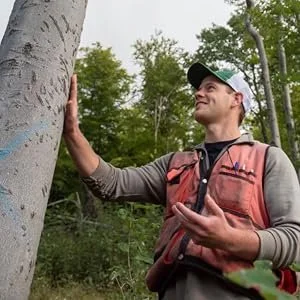
Ethan Tapper
Ethan Tapper is a forester, digital creator, and the bestselling author of How to Love a Forest: The Bittersweet Work of Tending a Changing World. For more than a decade, Ethan has been recognized as a thought-leader and a disruptor in the worlds of forestry, conservation, and ecosystem stewardship, winning multiple regional and national awards for his work. His message of relationship, responsibility and hope reaches millions of people each year through his writing, social media channels with hundreds of thousands of followers, and the walks, talks and keynotes that he delivers across North America each year.
Ethan works, writes, hunts, birds and runs a small consulting forestry business from his home at Bear Island – his 175-acre working forest, homestead, orchard and sugarbush in Vermont – and plays in his punk band, The Bubs.
-
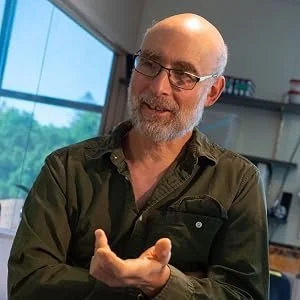
Paul Bierman
Paul Bierman’s passions are telling stories and solving the mysteries of our planet. He is equally at home in a dusty archive and a cleanroom without a speck of dust. A researcher by training and a teacher for over four decades, he looks at our planet with wonder and curiosity. His career has taken him to searing deserts and frigid ice sheets. Throughout, he’s focused his energies on understanding the link between our Earth and human societies - what today we call, sustainability.
He is a professor of Environmental Science at the University of Vermont, where he develops methods to understand ice and date rocks. He publishes in Science and Nature, and his findings have been covered by CNN, New York Times, Washington Post, and the Weather Channel, among others. He lives in Burlington, Vermont.
-
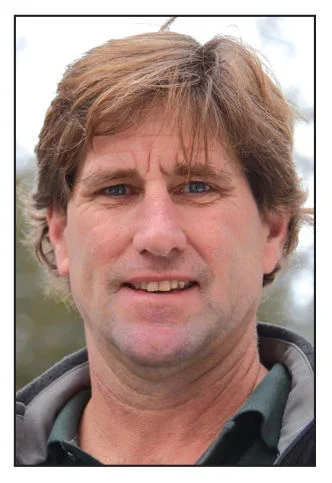
V.J. Comai
V.J. Comai is the current Burlington City Arborist. He is a certified arborist through the International Society of Arboriculture, (ISA) and is Tree Risk Assessment Qualified through the ISA. He is a current member of the New England Chapter of the ISA and a long-time member of Green Works, the Vermont Nursery and Landscape Association. He has served on the Green Works board of directors for 16 years and served as president for four of those years. He is also a former member of the Vermont Urban and Community Forestry Council.
-
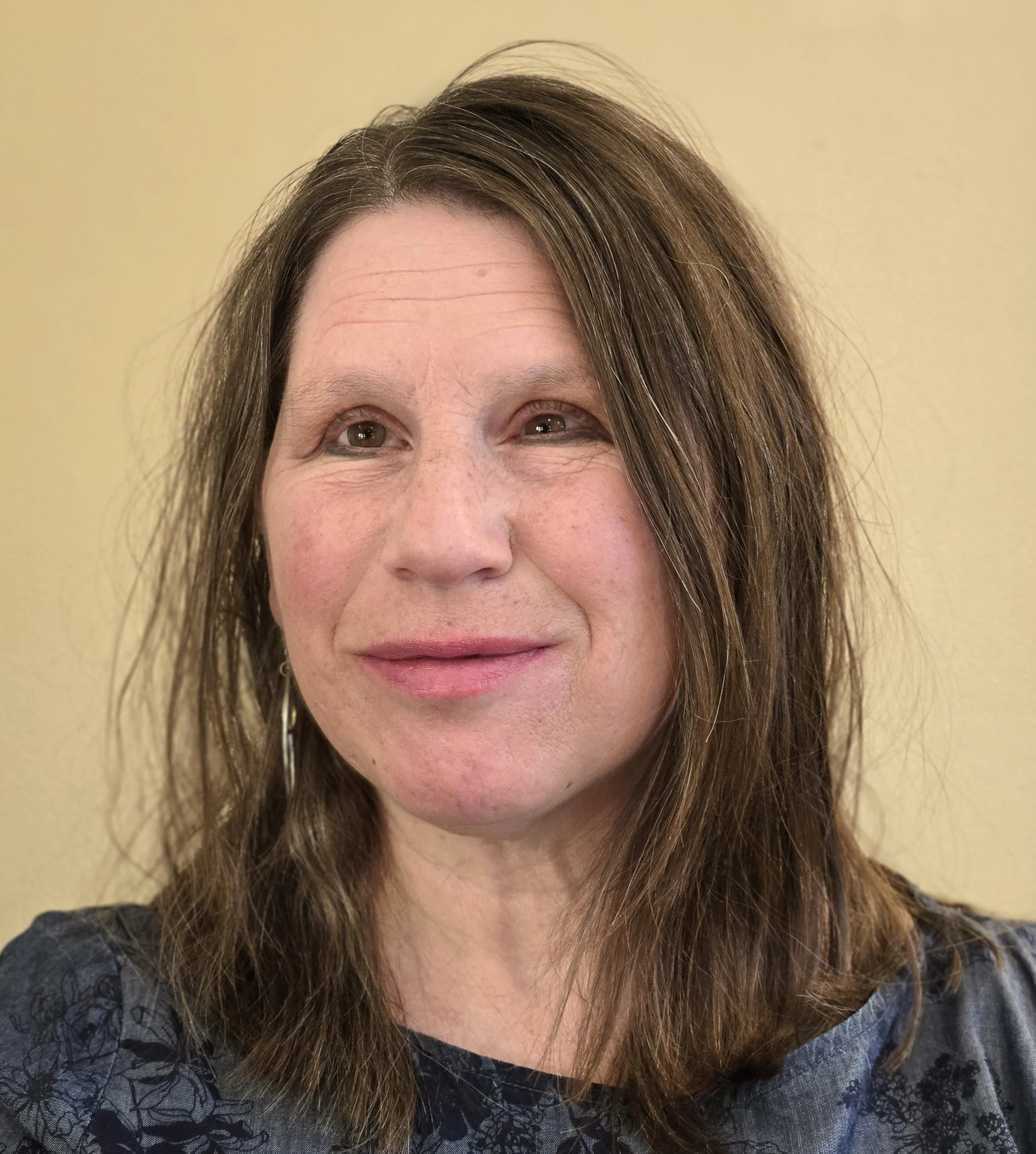
Susan Kaplan
Susan Kaplan is an environmental health lawyer, professor and writer. She has held policy positions in federal and state government, served as assistant director of an energy policy group at Harvard University’s Kennedy School, and taught environmental health policy in the public health programs of the University of Illinois Chicago and Northwestern University. Her writing has appeared in The Washington Post, Boston Globe, Christian Science Monitor and other outlets. Her book, A Healthy Union: How States Can Lead on Environmental Health, was recently published by Island Press. She lives in Vermont.
-
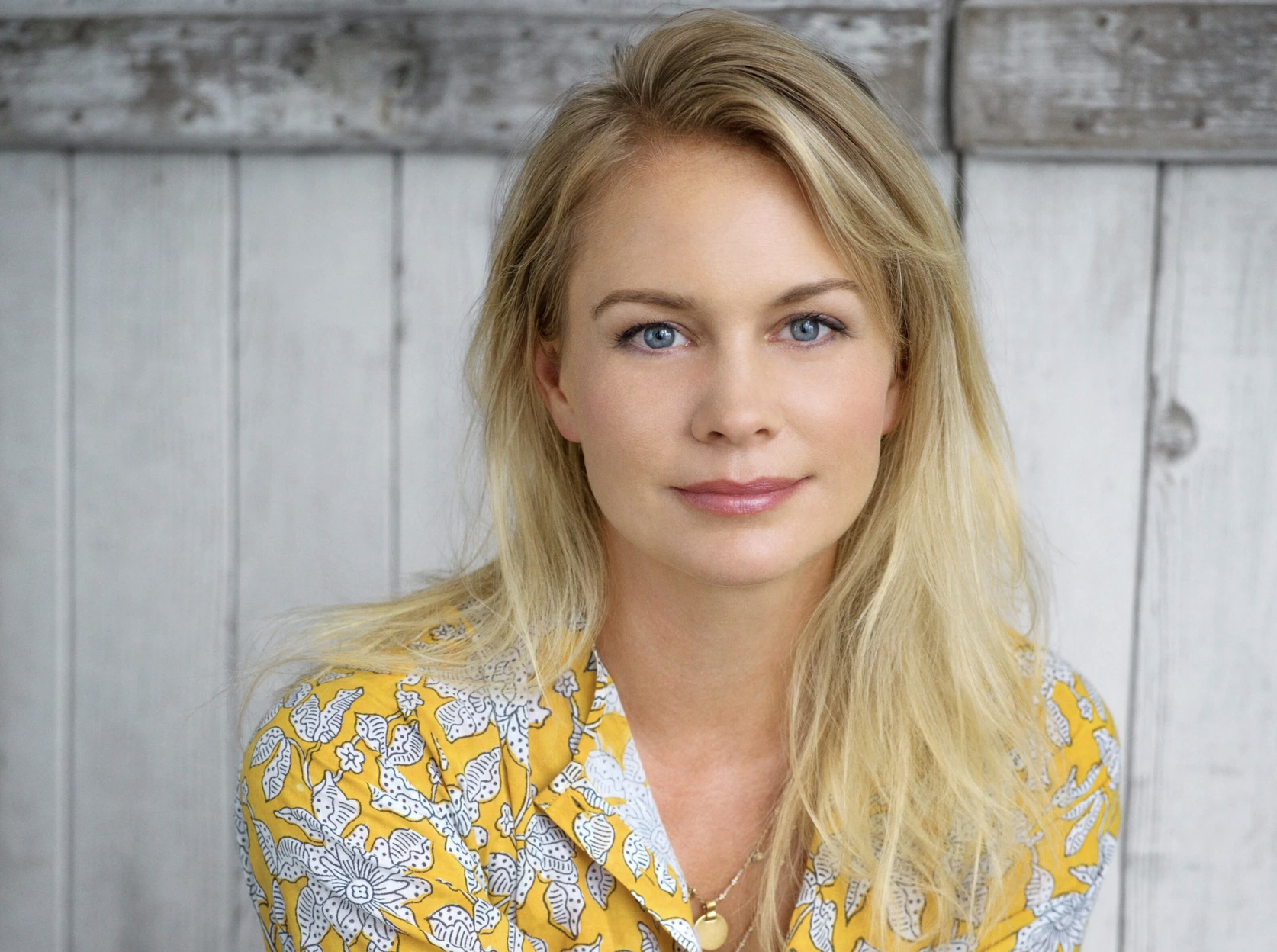
Megan Mayhew
Megan Mayhew is an award-winning fiction writer, conservation journalist, filmmaker, and cultural critic. She serves as Director of Conservation and Policy Communication for Mass Audubon, and Director of the Bread Loaf Environmental Writers’ Conference. She is the author of four books and her work has appeared in The New Yorker, The New York Times, The Guardian, The Paris Review, Harper’s Bazaar, and elsewhere.
-
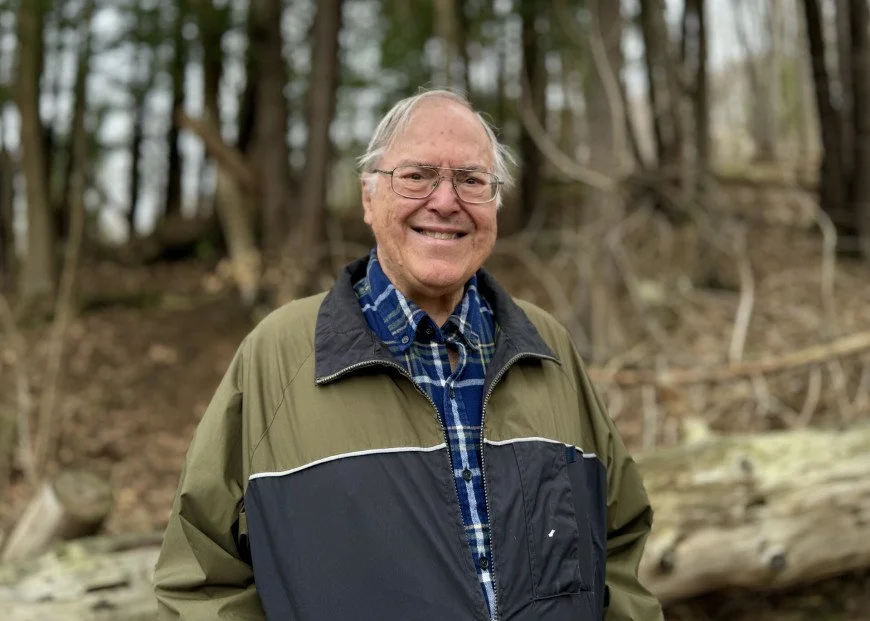
Robert Mello
Robert Mello is a retired Vermont Superior Court judge, author of When the Trees Came Back: The Great Battle to Save Vermont's Forests, and is also the author of Moses Robinson and the Founding of Vermont (published by the Vermont Historical Society in 2014) and Last Stand of the Red Spruce (Island Press, 1988).
-
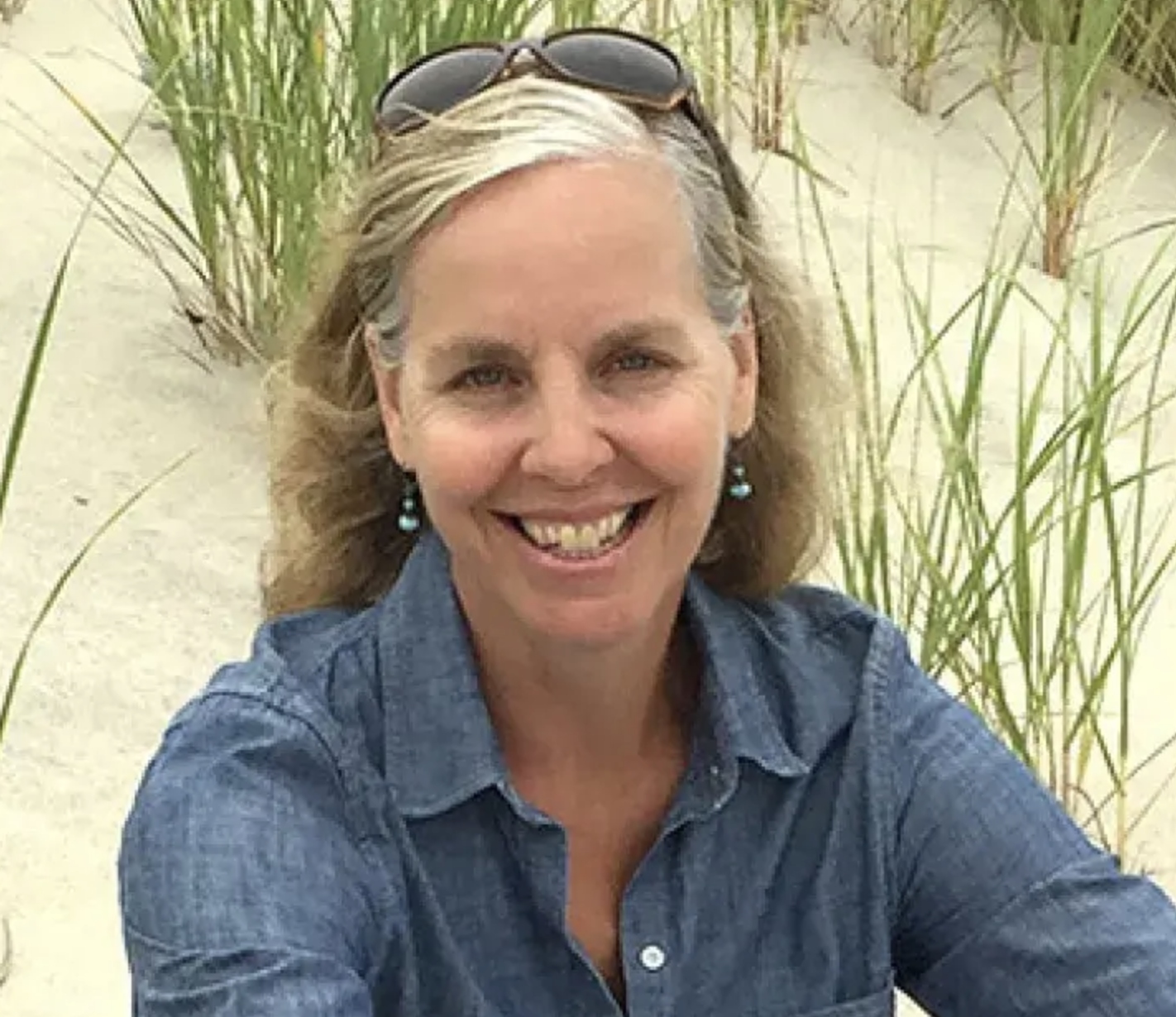
Amy Seidl
Amy L. Seidl is a Senior Lecturer in the Rubenstein School of Environment and Natural Resources. Amy’s areas of scholarship include ecological and evolutionary responses to climate change, climate change communication, ecological planning and climate adaptation, and the intersection of climate change and the humanities.
Amy has published two books on climate change. The titles include Early Spring: An Ecologist and Her Children Wake to a Warming World (2009) and Finding Higher Ground: Adaptation in an Age of Warming (2012). She is currently at work on a piece of climate fiction.
-
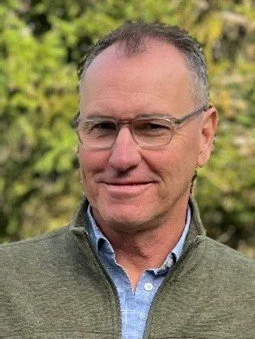
Michael Snyder
Michael Snyder is a Vermont licensed forester and owner of Greenfire Enterprises, advising, consulting, and writing on forestry, forest health, outdoor recreation, policy, and strategic communications. His clients include family and municipal forest owners, non-profit environmental and conservation organizations, and for-profit businesses. Previously he served for 12 years as Commissioner of Vermont’s Department of Forests, Parks, and Recreation and Vermont State Forester. Prior to that he served for 14 years as Chittenden County Forester, providing technical forest stewardship assistance to private landowners and municipalities. He also taught, for 12 years, two courses in Forestry at the University of Vermont and wrote the Woods Whys column for Northern Woodlands Magazine for two decades. He is author of the book, Woods Whys — An Exploration of Forests and Forestry.
-
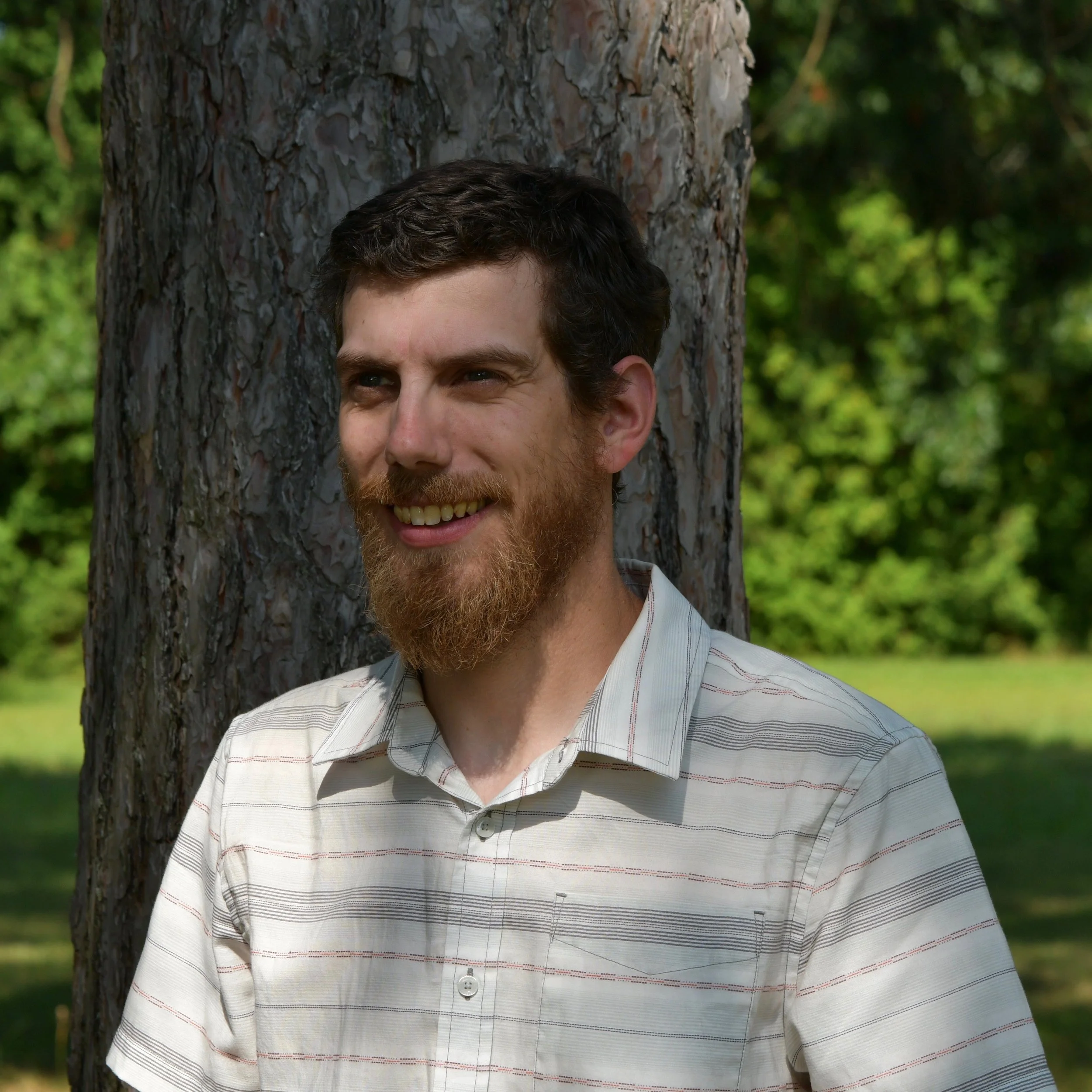
Robert Zaino
Bob Zaino is the Natural Community Ecologist with the Vermont Fish and Wildlife Department. In that role, he conducts inventories and assessments of natural communities, and the myriad species they comprise, across the state as part of the Department’s Natural Heritage Inventory. He applies that information to inform land management and conservation. Bob strives to connect people to nature, and to protect plants, animals, and wild places for the future. He is a co-author of the revised second edition of the book Wetland, Woodland, Wildland: A Guide to the Natural Communities of Vermont. He is a graduate of Bowdoin College and has a master’s degree from the University of Vermont’s Field Naturalist Program.